





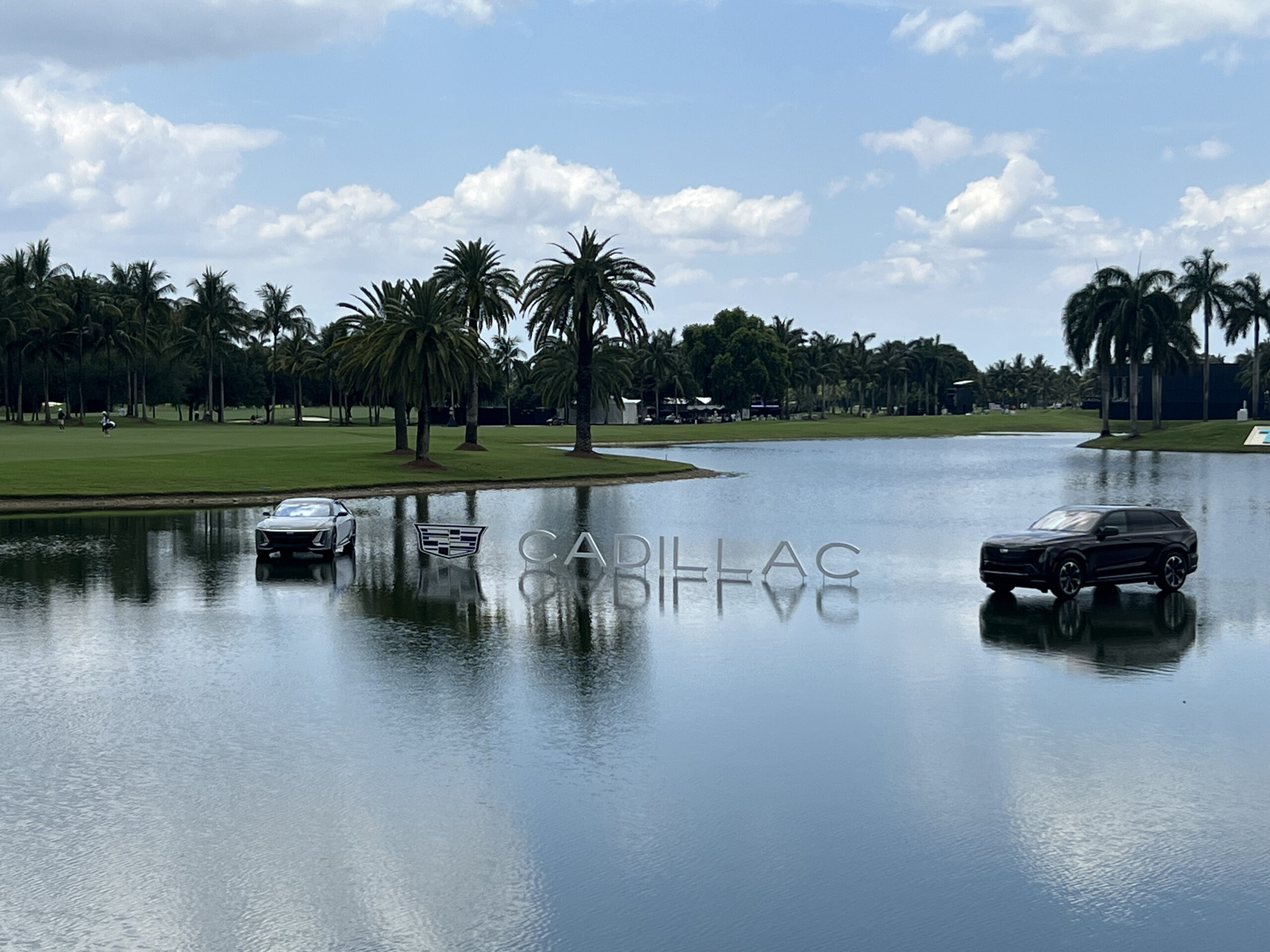
This question has been inevitable since Greg Norman, backed by a massive Saudi bankroll, collaborated to create an unsustainable sports business model.
After attending a LIV Golf event in Orlando three years ago, I wrote that if Norman doesn’t secure traditional revenue from sponsors, emerging media partners, and the coveted Official World Golf Rankings, the concept will be doomed once the investment fund sees diminishing returns.
So here we are: PIF cut up its ATM card after reportedly blowing $6 billion and causing significant disruption to the status quo, yielding only a blip on the radar screen to show for it.
So, what about all the self-inflicted, disenfranchised players who bolted for a bag of money?
I was struck by the wisdom of Scottie Scheffler’s response after Friday’s opening round of the Cadillac Championship, when he spoke about potential pathways back.
“I just got off the golf course. I don’t know what you want from me. (Laughing).”
Full stop. End of interview.
Some might say the usually thoughtful 20-time PGA Tour winner was dismissive in abruptly walking off, but not this writer.
It made me think of a news commentator who opined that athletes should “shut up and dribble” rather than weigh in on matters outside their expertise.
The concept of stay in your lane came to mind, and that’s usually good advice.
Scottie’s human and, no doubt, has his own views. Even if he had no hard feelings, he’s wise enough not to give a full-throated endorsement to opening the door wide open when it’s unlikely to play out that way.
The PGA Tour will always do what is best for its business, and that business has numerous stakeholders, with player harmony at the forefront. All are independent contractors who choose to be tethered to the venerable organization over any other because it has provided them with lucrative careers for shutting up and playing golf. No one is tuning in Sunday afternoon for any drama beyond what unfolds on Doral’s Blue Monster Course.
Before a final verdict is rendered on these refugees, likely announced by CEO Brian Rolapp, he will have heard plenty from the Player Advisory Council, whose chairman is Lucas Glover. This group of 16 players advises the Tour’s Policy Board, which helps govern the rules of play and conduct – the essence of any successful league organization.
I’ve come to know and respect Lucas, dating back to his first victory 21 years ago at Walt Disney World and his U.S. Open championship four years later on Bethpage Black.
Glover is pragmatic, wise, and approachable, as refreshingly candid as they come. Much of it reflects the perspective and experience of being at the top of the golfing world, enduring a ten-year victory drought, and a resurgence that began in 2021 with his victory in the John Deere Classic and the return of a consistent putting stroke.
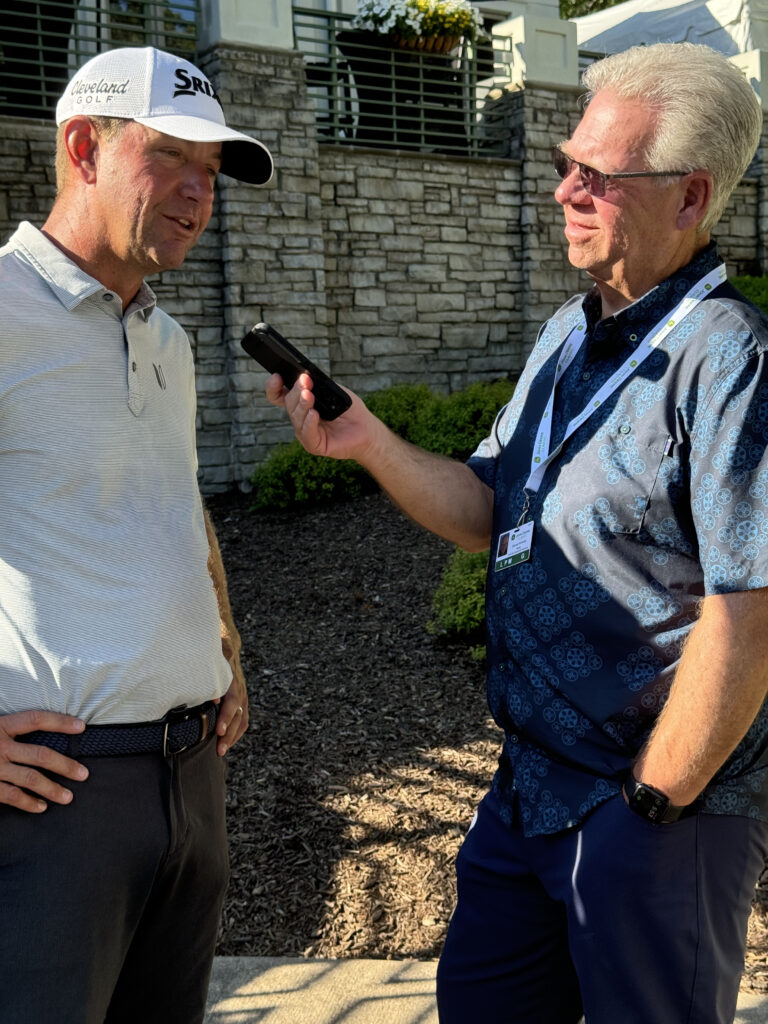
“I’ve been all those things you mentioned. I was, you know, an up-and-comer. I was the new kid on the block at one time,” 46-year-old Glover told me on the driving range in Miami. “And that’s why I think people appreciate my perspective out here.”
It’s a daunting role, but it’s one Glover seems more than qualified to fulfill.
“I’ve learned, and Adam Scott recently reminded me that sometimes you’ve got to set your personal beliefs aside and do what’s best for the whole membership,” Glover added. “I will give my opinion when I feel it’s necessary, and I’m mature enough to know when to bite my tongue. I won’t do anything just to benefit me or a select few. It’s going to have to be what’s best for the whole Tour.”
What remains to be seen is the pathway for those who did not take the limited-time offer Brooks Koepka did, an opportunity predicated on strict criteria that would have welcomed back Bryson DeChambeau, Jon Rahm, and Cameron Smith, but all were under contract.
Many argue that the road to redemption should not be an easy one, and with LIV Golf funded only through this year and some events already postponed, those who made their choice have little recourse but to accept what comes.
Their next scheduled event is next week in Virginia, and it will be interesting to see how many players might choose not to compete in hopes of a quicker return to the PGA Tour’s good graces.